.png)
Selecting Your Next ERP: Moving Beyond the "Good Demo"
Updated: Jan 5
When you choose a system as significant as an ERP, you are choosing a platform that will fundamentally change the way you and your team work. Don't make the choice based on the gut feeling or a good demo. For a decision this significant, weigh your options and make a data-driven decision.

ERP Transition Impact Considerations
An ERP transition carries significant implications to your business and should not be taken lightly. Following are a few of the impacts to consider as you carefully plan your transition for maximum success, quality, and adoption.
1. Financial Impact
Your ERP will be one of the most significant technology investments you make. Depending on your footprint, the cost may rank alongside—or even exceed—other major systems like enterprise project management software, production software, HRIS, or your office suite.
2. Process Transformation
If implemented properly, an ERP offers a golden opportunity to standardize and automate processes, eliminate duplicate data entry, and gain new reporting insights. Alternatively, it can create significant disruption if users don't adopt the new processes or if the workflows are not configured well for your particular use cases.
As one user on a Reddit thread put it: "It's made my job a nightmare. Don't even get me started on billings."
3. Employee Morale
A transition to the right ERP at the right time significantly impacts morale. Key team members could be influenced to resign or retire during or shortly after an ERP project if they were exhausted by the transition. On the other hand, a well-implemented system will attract talent due to modernization and can relieve painful workloads from existing overworked staff, improving retention and satisfaction. What ERP is selected and how the selection and transition are handled (including getting appropriate help to augment your team through the transition) are key to which of these opposing outcomes your business will experience.
Another post in r/ERP noted: "The implementation anxiety alone is enough to make me quit."
4. The Implementation Hurdle
The challenge, cost, and effort to transition to a new ERP are often underestimated. It is a simple reality: you will spend the time and money to get it right either before it goes live or after. Take the time to select and plan your ERP transition carefully, get experienced help, and don't shortcut the process.

Critical Considerations for Your Decision
As you move through the selection process, keep several key factors at the forefront:
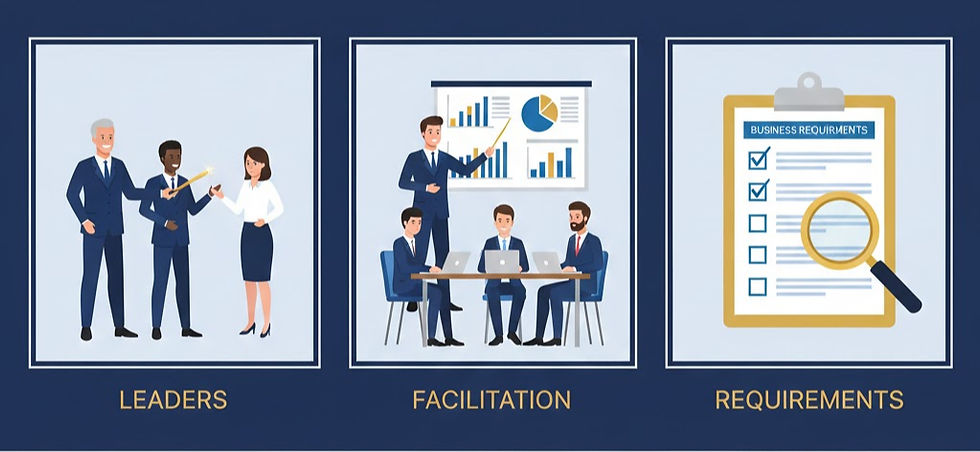
Involve Key Leaders: Choose your team carefully for the project, as the choice of your team will influence requirement gathering, testing, user adoption, and long-term support. Ensure all key stakeholders whose buy-in is important to the project are communicated with and involved to an extent proportionate to the level of ownership you need them to contribute to the project. For example, if one of the primary and critical reasons you are purchasing a new ERP is to improve project controls, and you expect your Project Controls Director to act as a change champion in the company and ensure the new project controls process is configured, rolled out, and successfully adopted across your operations teams, involve the Project Controls Director in the selection process.
Additionally, don't staff your team solely with "yesterday’s leaders" to implement alone before retirement. While you need their expertise, if they are not tech savvy, excited about the change, or will not be present to manage the system in production, this decision to place the project solely on their shoulders may have unintended impacts on long term success. Consider incorporating rising leaders in the project including participating in the selection process. Foster their sense of pride and ownership in the ERP, and harness their energy and enthusiasm to push through the implementation and into continuous improvement after. Choosing your team for the selection process is one of the first steps you take towards promoting long term user adoption and engagement.
Seek Expert Facilitation: Software vendors will show the best traits of their software in a demo, enticing those watching with their uniquely competitive features. A good facilitator knows how to organize the demos and vendors to ensure they present all the details you need to know, even if they aren't the details the vendor prefers to lead with. An expert facilitator will also help you make careful plans for the transition, evaluate your team's readiness to manage the change, and will be your advisor from beginning to end of your transition. Facilitation can also help calm concerns from within your team of bias in the selection process if there are oppositional views within your team of how to proceed.
Document Business Requirements: What specific things do you need to run successfully that are unique to your business? Outline them and organize the decision around your team's specific requirements - both the pain points you are looking to solve as well as your successful processes that you cannot afford to compromise. At Sunstone Transformations, we recently worked on a software selection where we identified unique business needs around equipment data collection and inexpensive system integration that many vendors did not meet. By documenting this early, we shortlisted vendors quickly without wasting hours in irrelevant demos. Besides saving time in demos, the accurate documentation of requirements also forms the foundation of your data-driven decision.
A Structured Roadmap to Selection
To ensure your decision is strategic and data-driven—rather than impulsive—use these detailed steps as a summary checklist:
Identify Business Objectives: Are you looking for better security? Replacing sunsetted software? Modernizing your interface to attract talent? Document your goals and keep them forefront in all discussions, returning often to your list and realigning your discussions and actions against it to ensure you are moving in the right direction.
Determine Success Metrics: How will you measure success in meeting your project objectives? Will it be based on user feedback, the company CEO's opinion, bottom-line impact, quantifiable efficiencies, or some other metric? How will you evaluate whether you succeeded or not? Lack of alignment on what success will look like can lead to long term discontent with the system chosen.
Assemble Your Team: Include leaders from distinct departments who will be impacted. Adoption begins with selection; if leaders are not consulted, they may not champion the change. Ensure those you have as your core team are not change-resistant but will be energized by the project and be a positive advocate internally.
Gather Requirements: Document "what’s not working" (the gaps) and "what’s working" (the features you can’t afford to lose). Ensure all business objectives that you outlined are considered in the formation of the list. Use this list to qualify vendors, script demos, and form your final decision criteria.
Issue an RFP: Send your requirements to prospective vendors. Ask them to specify if their software meets each of your needs via standard functionality, custom development, or third-party integration. This helps you shortlist to the top 2–3 candidates. Expect to spend time with them explaining the requirements, your company's expected processes, and discussing your objectives, so they can complete the RFP in an accurate way that provides the best reflection of their fit against your needs.
Script the Demo: Don't let the vendors set their own agendas. Give them a specific agenda based on your requirements so you can compare "apples to apples" and in light of your decision criteria. Give them time to showcase their unique features, but that should not overshadow the review of their fit to your specific requirements.
Facilitate the Decision: Compare features and benefits in a summary that covers your requirements. Keep the focus of decision discussions on the collected data rather than just opinions. Bring in key stakeholders and leaders into the discussion, using the summary to ground discussion, reminding everyone of the agreed upon project objectives.
Perform Due Diligence: Check reviews on sites like Capterra and G2. In a SaaS world, you aren't just buying software; you’re forming a long-term partnership with the vendor. Ask for references and thoroughly discuss not just software features but also support and service. Use your facilitator’s network to find additional references from outside the vendor’s curated list. Keep in mind that the vendor will always provide references who they believe will cast them in the best light, and you want to ensure to gather well-rounded insights.

Final Thoughts
No software will meet your wildest dreams. Every system has its quirks, issues, and challenges, especially in an enterprise setting with complex workflows and an intricate organization. However, you can significantly increase your likelihood of a successful transition by starting with a carefully planned, data-driven selection process.
For more information visit our website at www.sunstonetransformations.com.


Comments